English
 Arabic
 Turkish
 French
 Russian
 German


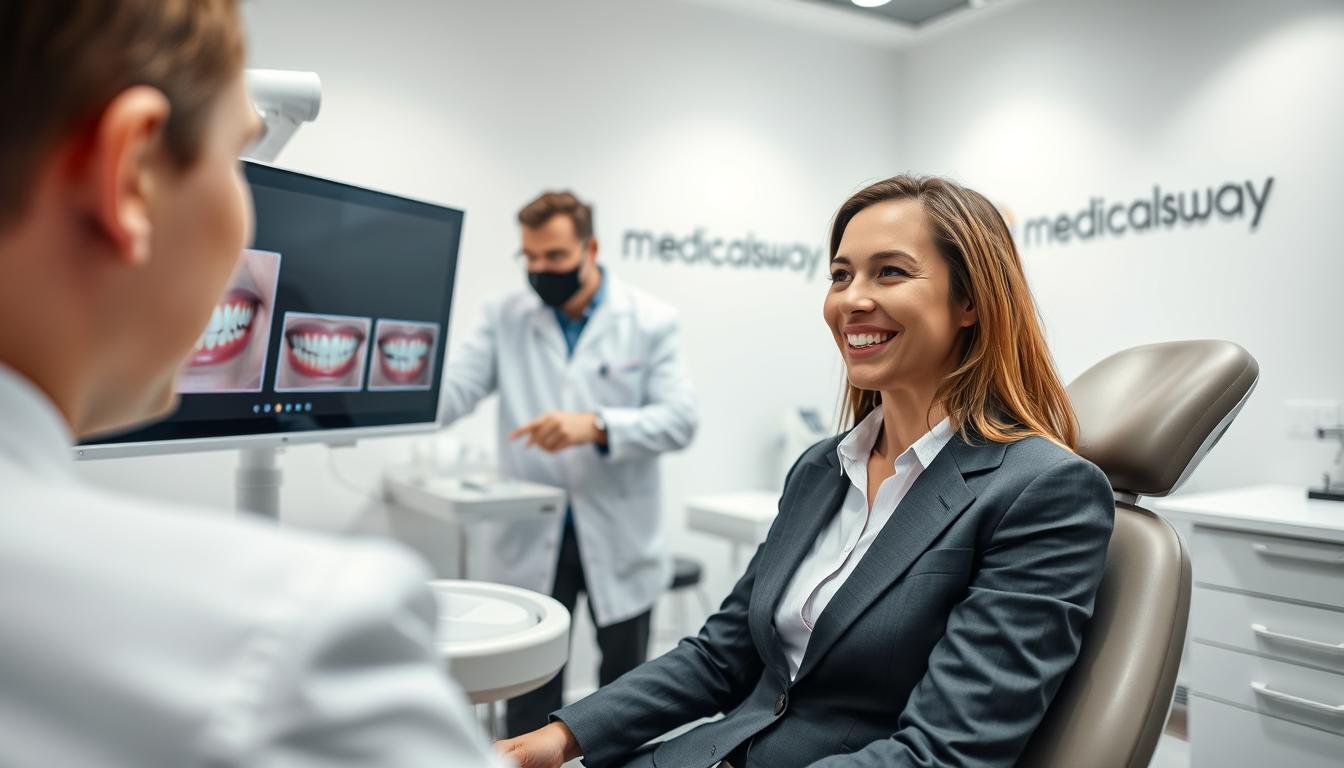
How Much Are Veneers in Mexico? Cost Guide & Options
- 2025-12-20 18:38:25
- Dental Tourism in Mexico
How Much Are Veneers in Mexico? Cost Guide & Options
MedicalsWay — Your Bridge to Better Health. We guide patients who want an affordable, high‑quality smile. This intro outlines typical cost ranges and what affects final pricing.
Average pricing often runs from about $350 to $650 per tooth, with composite and porcelain options shown across Cancun, Tijuana, and Los Algodones. You’ll find clear per‑tooth and full‑arch examples so planning is easier.
We explain dental veneers, material choices, timelines, and safety markers in dentistry. You’ll see savings estimates for U.S. patients and learn what to bring for possible PPO claims.
We act as your partner—matching you with verified clinics and dentists, balancing affordability with trusted care and lasting quality. By the end, you’ll have a clear path to a confident smile.
Key Takeaways
-
Typical per‑tooth cost ranges and full‑arch examples from popular destinations.
-
Material comparisons: porcelain, composite, and ultra‑thin options.
-
Factors that drive price: material, case complexity, and tech like CAD/CAM.
-
Timelines, travel tips, and documentation for reimbursements.
-
How MedicalsWay supports you from planning to after‑care for quality results.
MedicalsWay — Your Bridge to Better Health and a Stress‑Free Smile Journey
We connect you with trusted dental clinic partners and experienced dentists so planning dental work abroad feels simple. Our advisors listen first, then match patients to clinics that fit goals, budget, and timelines.
We work only with verified providers who meet strict standards for safety, quality, and patient care. That gives U.S. visitors added peace of mind when booking appointments and travel.
From digital smile design to in‑house labs, we prioritize clinics that invest in technology to speed turnaround and improve results. We also coordinate second opinions, advocate during treatment, and handle questions quickly.
Need lodging or local transport? We’ll guide you to reliable options close to your chosen clinic and help collect documents for PPO reimbursement. In short, we stand beside you — making the way forward simpler, safer, and more affordable for your smile.
How much are veneers in Mexico: today’s price snapshot for U.S. buyers
Today's price snapshot helps U.S. buyers compare common per‑tooth options and expected savings at popular clinics. We give clear examples so you can set realistic expectations before scheduling a consult.
Average per‑tooth costs: composite, porcelain, and ultra‑thin options
Typical per‑tooth prices start near $250 for composite and about $450–$550 for porcelain and ultra‑thin options. Cancun often lists composite at ~$250 and porcelain or lumineers near $450.
Tijuana and Los Algodones commonly show composite at ~$250 with porcelain or ultra‑thin around $550. Overall Mexico averages fall roughly between $350 and $650 per tooth.
What drives price: material, clinic, case complexity, and design tech
Material choice (composite vs. porcelain) and case complexity are the main drivers. Clinics that use CAD/CAM and in‑house labs may charge more up front but speed delivery and control quality.
Mexico vs U.S. pricing at a glance: typical savings
Compared to U.S. quotes, Mexico often delivers 40%–60% savings on similar materials like e.max. That can matter whether you need a single tooth or a full‑arch plan.
Tip:Ask for bundled pricing on multiple teeth to find better per‑tooth value and align cost with your aesthetic goals.
Porcelain, composite, or ultra‑thin lumineers: which veneer material fits your goals?
Your priority — budget, speed, or long‑term durability — helps pick the best veneer material. We’ll walk through common options so you can match outcomes to everyday life and budget.
Porcelain veneers: durability, stain resistance, natural aesthetics
Porcelain veneers (often e.max) deliver lifelike translucency and strong stain resistance. They usually need about 1 mm of enamel removal so the final fit looks natural.
Benefits: long lifespan, consistent color, and a very natural finish that suits patients focused on lasting results.
Composite resin veneers: affordability, speed, and repairability
Composite veneers use composite resin and can be placed in fewer visits. They cost less up front and are easy to repair if chips occur.
Tip: Composite is a smart choice when budget and quick turnaround are priorities.
Lumineers (ultra‑thin): minimal prep and when they’re recommended
Ultra‑thin options are marketed like contact lenses. They may need little or no prep, but they don’t always mask heavy stains or major misalignment.
We help you weigh the tradeoffs so you choose the material that fits your smile goals and maintenance plans.
Per‑tooth veneer prices you can expect in Mexico
We list clear per‑tooth figures so you can budget with confidence and compare options side by side. Below are typical prices and what clinics usually include with each quote.
Composite veneers: from about $250 per tooth
Composite resin restorations often start near $250 per tooth in Cancun, Tijuana, and Los Algodones. These composite veneers offer the quickest placement and the lowest entry cost.
Lifespan: many clinics list ~5 years, depending on care and bite forces.
Porcelain (e.max): commonly around $450–$550 per tooth
Porcelain veneers typically range $450–$550 per tooth. This reflects lab work, material quality, and finer characterization for a natural finish.
Expected longevity: porcelain often cited near 15 years with good maintenance.
Ultra‑thin / Lumineers: typically $450–$550 per tooth
Lumineers and other ultra‑thin options commonly match porcelain pricing. They need less prep but may not mask heavy stains.
"Ask for a written estimate that lists consultation, imaging, temps, and final cementation."
Prices can improve with bundled quotes for multiple teeth. Factor travel and lodging into total cost so your out‑of‑pocket plan is complete. We’ll help you compare apples to apples and avoid surprise add‑ons.
Full set veneer pricing in Mexico: ranges, arches, and savings
A full set can transform your smile and your budget—here’s what to expect when planning per‑arch work. Most clinics define a full set as 8–10 restorations per arch, focused on the teeth that frame your smile in photos and everyday talk.
Typical “full set” definitions: 8–10 per arch
Clinics usually count the visible zone as one arch. That means 8–10 pieces to cover the upper or lower front area that shows when you smile.
Sample arch pricing: composite vs porcelain
As a guide, Cancun lists a composite full set (10) near $2,500 and porcelain veneers or ultra‑thin options around $4,500 per arch. Los Algodones often shows composite at ~$2,500 and porcelain or lumineers near $5,500 per arch.
Total smile makeovers and planning notes
A dual‑arch makeover can unlock better per‑tooth rates and a seamless match across both arches. For example, a 20‑tooth plan in Tijuana at about $11,000 shows the value of bundled pricing compared to many U.S. quotes.
When additional treatments affect your budget
If bite work, whitening, or minor restorations are needed, add them to the estimate. Also ask if mockups, wax‑ups, or night guards are included—these reduce surprises and help you enjoy your new smile for years.
City-by-city look: Cancun, Tijuana, and Los Algodones veneer costs
We break down Cancun, Tijuana, and Los Algodones so you can compare value and logistics. Below are clear snapshots that highlight typical prices, clinic features, and travel considerations.
Cancun snapshot
Per tooth: composite about $250; porcelain veneers or ultra‑thin near $450.
Per arch: full sets commonly range from ~$2,500 to $4,500.
Cancun blends destination care with clinics that emphasize patient experience and design technology.
Tijuana snapshot
Per tooth: composite near $250; porcelain or ultra‑thin often about $550.
Sample bundled plans exist — a 20‑tooth smile makeover can run near $11,000. Border convenience helps reduce travel time.
Los Algodones snapshot
Per tooth: composite around $250; porcelain or ultra‑thin typically $550.
Full sets: expect ranges from ~$2,000 up to $5,500+, depending on scope and lab work.
Many clinics here use in‑house CAD/CAM and digital design to speed fabrication and improve consistency.
"Ask clinics for per‑tooth and per‑arch quotes, plus lab timelines and before‑and‑after galleries."
Quick tips: If you want a destination stay, Cancun fits well. If you prefer border access, consider Tijuana or Los Algodones. Always confirm the clinic’s technology, monthly case volume, and lodging or shuttle options before booking.
Timeline and appointments: how long veneers in Mexico take at present
A clear timeline helps you coordinate travel, recovery, and final checks without stress. We set expectations so your trip and recovery happen with calm and confidence.
Standard treatment window: plan for 5–7 days of care
Most dental veneers treatment fits into a single week. Clinics usually complete evaluation, preparation, fabrication, and cementation within 5–7 days.
Appointments: evaluation, fabrication (CAD/CAM), and cementation
Your first appointment covers evaluation, photos, digital scans, and shade selection. Preparation and temporaries often follow the same day or the next.
In‑house CAD/CAM workflows compress lab time. Try‑ins and refinements happen before final cementation so the porcelain finish meets your expectations.
Why clinics recommend staying 7–10 days for peace of mind
Many clinics advise a 7–10 day stay to allow small adjustments or a quick return visit if needed. That buffer reduces stress and avoids extra travel if minor tweaks are required.
"Tell us your schedule early — we'll match you with dentists whose process aligns with your trip."
Tip: Ask if your plan includes a digital smile preview and whether any prep work should be done before travel. Soft foods and gentle care after the procedure help with recovery.
Who is a good candidate for veneers?
Deciding if a smile upgrade fits you starts with a short clinical check and clear goals. We walk with you through that check so you feel confident about next steps.
Common concerns they address
Veneers often help with discoloration, small chips, minor gaps, and slight misalignment of front teeth. They refine shape and length to improve symmetry and confidence.
Enamel, bite, and alternatives
A good candidate typically has enough enamel and healthy gums to support bonding. A careful exam by your dentist checks bite forces and gum health before any treatment.
If staining is heavy or a tooth has large structural loss, your team may suggest porcelain options, crowns, or staged care. Mild bite issues can be planned; major misalignment may need orthodontics first.
Tip: Share your medical history and photos of smiles you like. That helps us propose a plan that balances function, aesthetics, and long‑term care.
"Not every tooth needs the same solution — a mixed approach can give a natural, durable result."
We’ll help you find a trusted clinic to evaluate candidacy and present clear, patient‑first recommendations tailored to your goals and budget.
Tooth preparation explained: enamel shaving, minimal‑prep, and permanence
Tooth preparation sets the stage for a natural, comfortable smile and starts with careful enamel shaping. We guide you through why small reductions matter and when minimal approaches fit your goals.
How much enamel is typically removed—and why it matters
Many clinics remove about 1 mm of enamel for porcelain restorations. That space lets the final piece sit flush with neighboring teeth.
Why this matters: a proper emergence profile avoids bulk, improves hygiene, and strengthens the bond between tooth and ceramic.
When minimal or no‑prep options make sense
Ultra‑thin options can work when alignment is good and color change is modest. They preserve enamel but won’t fix severe stains, large cracks, or big misalignment.
Important: enamel doesn’t regrow, so any preparation is permanent. That’s why diagnostic mockups and temporaries are part of a careful procedure.
"We help you understand each step so you choose the right plan for long-term results."
Digital smile design and in‑house labs: how technology impacts your results and cost
Digital planning tools let you preview a new smile before any enamel is touched. That preview aligns your expectations with the dentist’s design and cuts the risk of big last‑minute changes.
Clinics that use CAD/CAM and digital smile design often finish try‑ins within days. In‑house milling for porcelain means fewer shipping delays and tighter control over the final fit.
Digital impressions and 3D scans speed the process and reduce retakes. They also let the team check occlusion and contacts virtually, protecting edges and enamel during adjustments.
When a clinic handles both design and production, small refinements are faster and usually cost‑effective. Ask about the software, milling system, and lab workflow to compare predictability and timelines.
"Technology isn’t the only quality marker, but it often shows a clinic’s investment in consistent outcomes."
Insurance, payments, and financing options for veneers in Mexico
Paying for a smile abroad means planning paperwork and payment so nothing delays your final appointment. We guide you through the forms, currencies, and timing so claims and balances process smoothly.
PPO reimbursements: Many U.S. PPO plans allow out‑of‑network reimbursement. Bring your insurer's claim forms and ask the clinic to complete them at your last appointment. Request an itemized invoice with procedure codes and materials to support your submission.
Payouts and payment methods
Clinics usually accept major credit and debit cards and cash in USD, MXN, or CAD. Confirm currency preferences before travel and check deposit rules for your booked dates.
Financing and billing tips
If you need external financing, we can discuss U.S.‑based options or staged treatment plans to spread cost. Build a small buffer for extra imaging, a night guard, or minor adjustments.
"Keep digital copies of every receipt and clinic note — they make reimbursements and follow‑up far easier."
We’ll help prepare documents, coordinate with your clinic, and align payment milestones with the procedure timeline so your care stays on track and stress stays low.
Travel logistics made easy: where to go, how long to stay, and what to expect
A smooth travel plan makes treatment simpler; we map transit, lodging, and appointment timing for you. We guide patients through border‑adjacent choices and destination care so travel adds calm, not stress.
Border‑adjacent convenience vs destination care
Border clinics like Tijuana and Los Algodones cut flight time and simplify same‑day returns. Many clinics offer shuttle service or help with border crossings so your first visit goes smoothly.
Destination care in Cancun pairs treatment with comfortable stays. Clinics often coordinate lodging and transport so appointments fit your schedule and recovery rhythm.
Transport, lodging assistance, and all‑inclusive options
Some Los Algodones cases include lodging at places such as The Mansion when case value meets clinic guidelines. That option gives a nearby base for the recommended 7–10 day window to allow touch‑ups and final checks.
Tips: Book flights with a little flexibility around your final appointment. Pack a small travel kit—sensitive toothpaste, soft foods, and a water bottle—and tell your clinic any mobility or dietary needs early.
"We coordinate schedules and reminders so you can focus on your perfect smile, not logistics."
We’ll help pick hotels near your clinic, arrange pickups, and confirm appointment times so the whole experience stays patient‑centered and calm. That way you leave confident about your new teeth and your trip home.
How Mexico compares to the U.S.: quality of care, materials, and safety
Patients often ask whether clinical standards and material choices match what they'd expect back home. We find many clinics use e.max porcelain, CAD/CAM milling, and digital design workflows that mirror U.S. dentistry.
Quality and materials: Many practices source the same porcelain brands and bonding systems used by U.S. labs. That means porcelain veneers can match aesthetic and strength expectations when the case is planned well.
Clinical experience: High-volume cosmetic dentistry centers refine workflows. Experienced dentists and team routines often lead to consistent outcomes and faster turnaround.
Cost drivers: Savings usually come from lower rent, staffing, and lab overhead — not from cutting material quality. Still, you should verify certifications, sterilization, and emergency protocols before booking.
"Ask for the dentist's case volume, before-and-after gallery, and written warranty or adjustment policy."
We vet clinics for these quality markers and help you pick teams whose standards align with U.S. care and patient expectations.
Selecting the right dental clinic and cosmetic dentist in Mexico
Picking the right clinic shapes your result as much as the material and lab work. We empower you to evaluate options with clear, practical checks so you choose a partner who fits your needs and timeline.
Experience, materials, and on‑site CAD/CAM
Ask about monthly case volume. Clinics that complete many cases per month often deliver smoother planning and consistent outcomes. Verify they work with e.max porcelain and composite options.
Confirm on‑site design and milling. In‑house CAD/CAM or a tightly integrated lab reduces delays and gives the dentist control over final fit.
Before‑and‑after, shade options, guarantees, and follow‑up
Review before‑and‑after galleries for smiles like yours. Look at gum lines, edge symmetry, and natural shade transitions.
Make sure shade libraries include natural tones and brighter looks, and ask for digital previews before milling. Get written guarantees and clear adjustment policies for visits during your stay and after you return home.
"Request a single point of contact, an itemized estimate, and a post‑care guide to protect your investment."
Alternatives and complements: bonding, mixed‑material cases, and staged makeovers
Small, targeted fixes can often deliver a big boost to your smile without a full restoration. Dental bonding corrects tiny chips, refines edges, and closes minor gaps. This option is fast, affordable, and can make a single tooth look seamless with nearby teeth.
We often recommend mixed plans that blend porcelain for the most visible teeth and composite resin for lighter touchups. That approach keeps a natural look while optimizing cost and durability.
Staged treatment is another smart path: treat the top arch now and add the lower arch later. Spreading care over visits helps manage budget and still delivers a cohesive smile makeover.
Practical steps we suggest: whiten untreated teeth first, map each veneer versus bonding site, and plan protective measures for grinding. These moves clarify long‑term upkeep and set realistic expectations for years of wear.
"Ask your dentist to outline expected maintenance, costs, and estimated lifespan for resin touch‑ups versus porcelain care."
Why choose MedicalsWay to plan your veneer journey
MedicalsWay guides patients through every step, turning a complex dental plan into a clear, manageable path. We act as your advocate and partner, so you never feel alone during treatment or travel.
We match you with vetted dental clinic partners known for strong aesthetic outcomes, clear communication, and steady timelines for getting veneers done right.
Our advisors simplify choices—materials, number of teeth, and city—so the final plan fits your life and budget. We collect and compare estimates so you can choose confidently.
Technology and experience matter. Our network includes clinics using digital smile design and CAD/CAM to keep quality high and turnaround efficient.
We handle travel logistics, lodging suggestions, and appointment timing to remove friction from the process. Need a second opinion? We arrange one quickly and transparently.
"We walk beside you at every step, advocating for care, clarity, and comfort."
Ready when you are: we coordinate consultations, clarify costs and after‑care, and ensure your experience delivers a smile you love and value that makes sense.
Conclusion
, This closing note pulls together pricing, timelines, and practical steps for your smile journey.
Mexico offers clear value on dental veneers: composite often starts near $250 per tooth, with porcelain and ultra‑thin options around $450–$550. A full set per arch commonly runs near $2,500 for composite and $4,500–$5,500 for porcelain; a 20‑tooth plan can reach about $11,000.
Most treatment fits a 5–7 day window, though we recommend a 7–10 day stay to finalize details. Choose between resin or porcelain based on budget, finish, and years of wear. Digital design and CAD/CAM tech boost predictability.
We’ll help compare cost, scope, and clinics so your dental work matches goals and timing. When you’re ready, our team connects you with trusted dentists and a clear plan for a confident, camera‑ready smile.
FAQ
What is the typical per‑tooth price range for porcelain and composite veneer options?
Per‑tooth costs vary by material and clinic. Composite resin veneers commonly start around $250 USD per tooth. Porcelain options such as e.max typically fall near $450–$550 USD per tooth. Ultra‑thin options marketed as Lumineers often sit in the same porcelain range, depending on lab and design work.
How is a “full set” defined and what can I expect to pay for an arch?
Clinics usually call 8–10 veneers a full arch. Prices for a single arch can range from roughly $2,500 for composite to about $4,500 for porcelain or ultra‑thin systems. Total cost depends on materials, digital design, and any extra restorative work needed.
How long does the veneer process take and how many appointments are required?
Expect a 5–7 day treatment window for most straightforward cases. Typical steps include an initial evaluation, digital smile design and impressions, lab fabrication (often CAD/CAM), and final cementation. Many clinics recommend staying 7–10 days to allow for adjustments and follow‑up.
Who is a good candidate for cosmetic veneers?
Veneers suit patients with discoloration, chips, small gaps, or mild misalignment. Candidates need healthy enamel and a stable bite. If enamel is thin, decay is present, or bite issues are significant, a dentist may recommend alternatives like bonding, orthodontics, or crowns.
What is the difference between porcelain, composite, and ultra‑thin (Lumineers) options?
Porcelain offers superior durability, stain resistance, and lifelike aesthetics. Composite resin is more affordable, faster to place, and easier to repair but stains more and wears faster. Lumineers or ultra‑thin veneers require minimal prep and preserve more enamel, but they’re not always suitable for every case.
How much enamel is removed during tooth preparation?
Amounts vary by system. Traditional porcelain veneers typically require light enamel reduction to create room for the restoration and ensure proper bonding. Minimal‑prep or no‑prep veneers remove little to no enamel. Your dentist will explain the recommended approach based on your anatomy and cosmetic goals.
Will I need extra treatments that increase the total cost?
Sometimes. Root canals, gum recontouring, fillings, or orthodontics can be necessary before veneer placement and will add to the bill. Clinics perform a full exam to outline required pretreatment so you get a realistic estimate up front.
Do clinics use digital smile design and on‑site labs? Does that affect price?
Many reputable providers use digital smile design, intraoral scanning, and in‑house CAD/CAM milling to speed delivery and control quality. These technologies can raise costs slightly but often improve fit, aesthetics, and turnaround time—worthwhile for predictable outcomes.
Can I use my U.S. or Canadian dental insurance for this treatment?
Cosmetic veneers are often excluded or only partially covered by PPO plans. You should request itemized documentation and pre‑treatment estimates from the clinic to submit for possible reimbursement. Some clinics also offer financing and accept major credit cards and multiple currencies.
How do prices compare city‑by‑city for popular destinations like Cancun, Tijuana, and Los Algodones?
Prices vary by location and clinic standard. As examples, composite options in many cities start around $250 per tooth. Porcelain and ultra‑thin systems often range $450–$550 per tooth. Sample full‑arch and full‑smile prices differ based on lab work and clinic reputation.
What travel and logistics should I plan for a veneer trip?
Choose border‑adjacent clinics for quick trips (Tijuana, Los Algodones) or destination clinics that combine care with lodging (Cancun). Plan for transport, accommodation, and a 7–10 day stay for most smile makeovers. Clinics and MedicalsWay can help coordinate travel and lodging assistance.
How long do different veneer materials last?
Porcelain veneers can last 10–15 years or longer with good care. Composite resin typically lasts 5–8 years before repair or replacement may be needed. Longevity depends on oral hygiene, bite forces, and regular dental follow‑up.
What should I look for when selecting a cosmetic dentist or clinic?
Look for documented experience with veneers, before‑and‑after photos, patient reviews, use of quality materials (e.max, feldspathic porcelain), digital workflows, and clear warranty or follow‑up policies. Ask about case volume per month and whether the lab work is in‑house.
Are there less invasive alternatives to a full veneer makeover?
Yes. Bonding, staged or mixed‑material cases, and selective veneers can address specific concerns with lower cost and less tooth reduction. Your dentist can design a phased plan to balance budget and esthetic goals.
How does care after placement affect results and costs later on?
Good oral hygiene, routine dental exams, and avoiding habits like teeth grinding or chewing hard objects protect your investment. Night guards, regular cleanings, and prompt repair of chips prolong lifespan and reduce the need for costly replacements.
Why choose a MedicalsWay‑connected clinic for this treatment?
MedicalsWay partners with verified clinics that meet quality and safety standards. We help coordinate estimates, travel logistics, and trusted providers so you get affordable quality care and a clear plan for your smile journey.